Mammals Coloring Pages

Mammals are warm-blooded animals with hair or fur that feed their babies milk. They come in every size, from a tiny mouse to an enormous blue whale, and they live just about everywhere on Earth. The pages are sorted by where each animal lives, so pick a group below and click any picture to see all the coloring pages for that animal.
Jump to: Farm | Pets | African Savannah | Forest and Prairie | Ocean | Around the World | Fun Facts
Farm Animal Coloring Pages
People have been raising mammals on farms for about 10,000 years, for milk, wool, meat and help with heavy work. Alpacas are kept for their soft fleece, and horses and donkeys pulled ploughs and carried heavy loads long before there were tractors.


Pet Coloring Pages
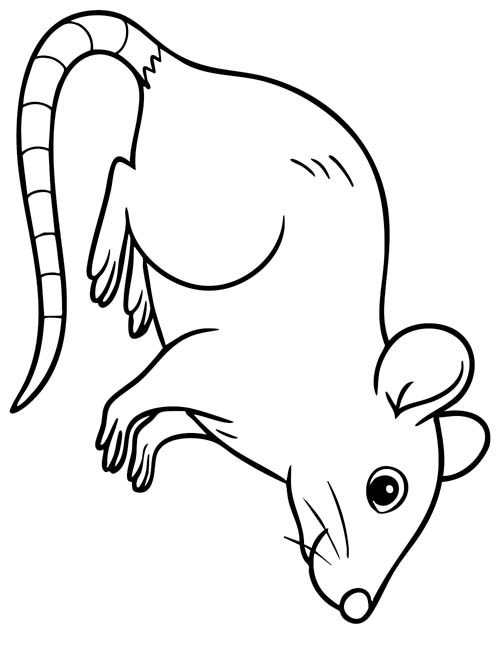
Cats and dogs are the pets most of us know best, but plenty of mammals make good companions. Hamsters, mice and rats are small enough for a classroom, rabbits can learn to use a litter box, and some people even keep hedgehogs.


African Savannah Coloring Pages
The African savannah is a huge grassland dotted with trees, and it's home to more big mammals than anywhere else on Earth. Elephants are the largest land animals and giraffes are the tallest, while zebras, gazelles, antelopes and buffalo graze in big herds with lions and cheetahs watching nearby.


Forest and Prairie Coloring Pages
Forests, rivers and grasslands are full of mammals, many of them hiding just out of sight. Beavers build dams across streams, bison once roamed the prairies in herds of millions, moose are the biggest members of the deer family, and groundhogs sleep away the winter in underground burrows. Cougars and lynx hunt quietly through the trees, while others, like raccoons and skunks, have learned to live right alongside people.


Ocean Mammal Coloring Pages
Whales, dolphins, seals, walruses and manatees spend their lives in the water, but they still breathe air and have to come up to the surface. Whales and dolphins breathe through a blowhole on top of their heads, and the blue whale is the largest animal that has ever lived. Polar bears count as marine mammals too, since they spend so much of their lives hunting on the sea ice.


Amazing Mammals from Around the World
Some mammals break all the rules. Kangaroos and koalas are marsupials, which carry their tiny babies in a pouch. Bats are the only mammals that can truly fly, pangolins are covered in hard scales, and anteaters have no teeth at all, just a sticky tongue up to 2 feet long. Tigers are the biggest cats in the world, camels can go days without a drink in the desert, giant pandas spend most of their day munching bamboo, and sloths move so slowly that algae grows in their fur. Long ago, during the Ice Age, woolly mammoths and saber-toothed cats roamed the frozen north.


Five Fun Facts About Mammals
- Warm-Blooded Wonders: All mammals are warm-blooded, meaning they can regulate their body temperature, keeping it constant regardless of the environment. This unique trait allows mammals to inhabit diverse climates all around the world, from the scorching heat of deserts to the icy expanses of polar regions.
- Fur or Hair: Every mammal, from the tiniest mouse to the largest whale, has some form of hair or fur at some point in its life. This feature provides insulation, helping mammals maintain their body heat, and can also serve for camouflage, protection, or sensory purposes.
- Milk Makers: Mammals are the only animals that produce milk to feed their young. This nutrient-rich food provides essential antibodies, fats, proteins, and vitamins, giving mammal offspring a strong start in life.
- Breathing Buddies: Mammals are unique in having a diaphragm, a muscle under the lungs that aids in breathing. This efficient respiratory system supports mammals' active lifestyles, from running and jumping to flying and swimming.
- Brainy Beings: Generally, mammals have larger and more complex brains relative to their body size compared to other animals. This advanced brainpower supports higher levels of intelligence, social structures, and problem-solving abilities, allowing mammals to adapt and thrive in various environments.